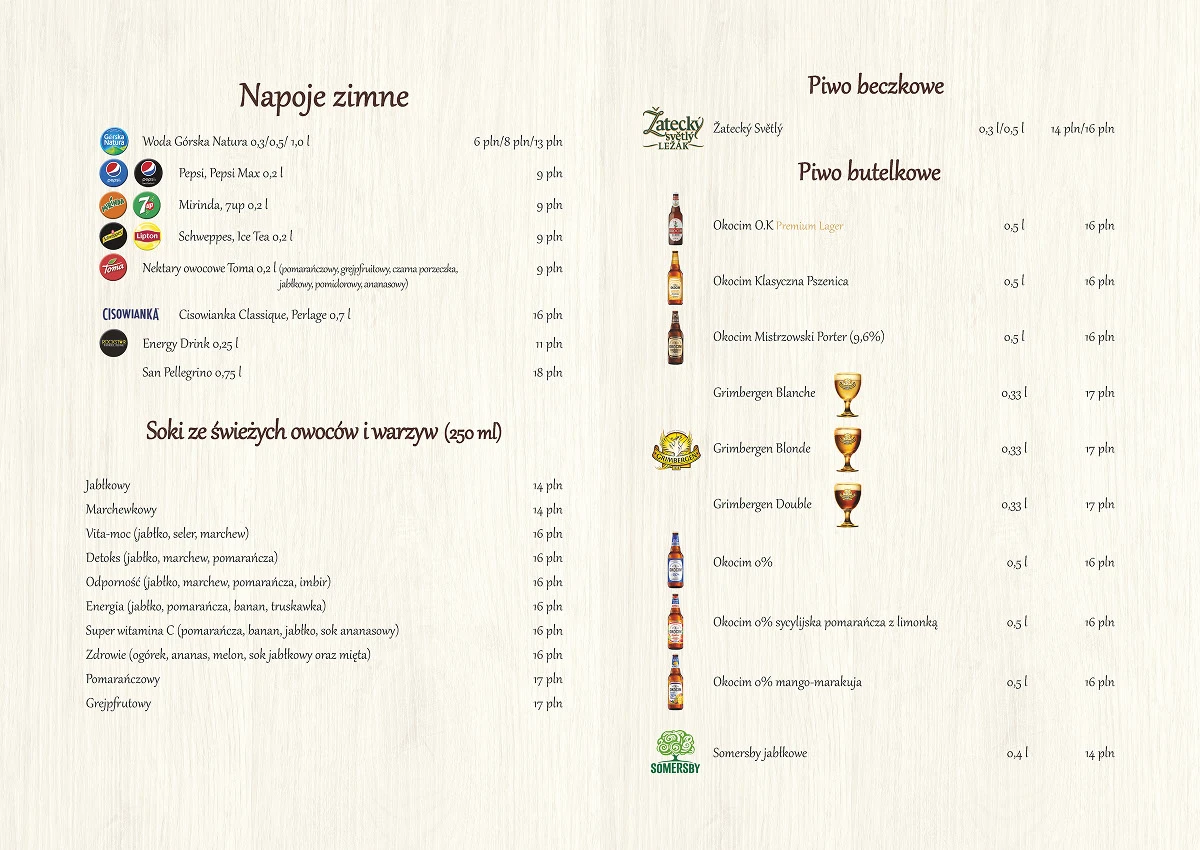
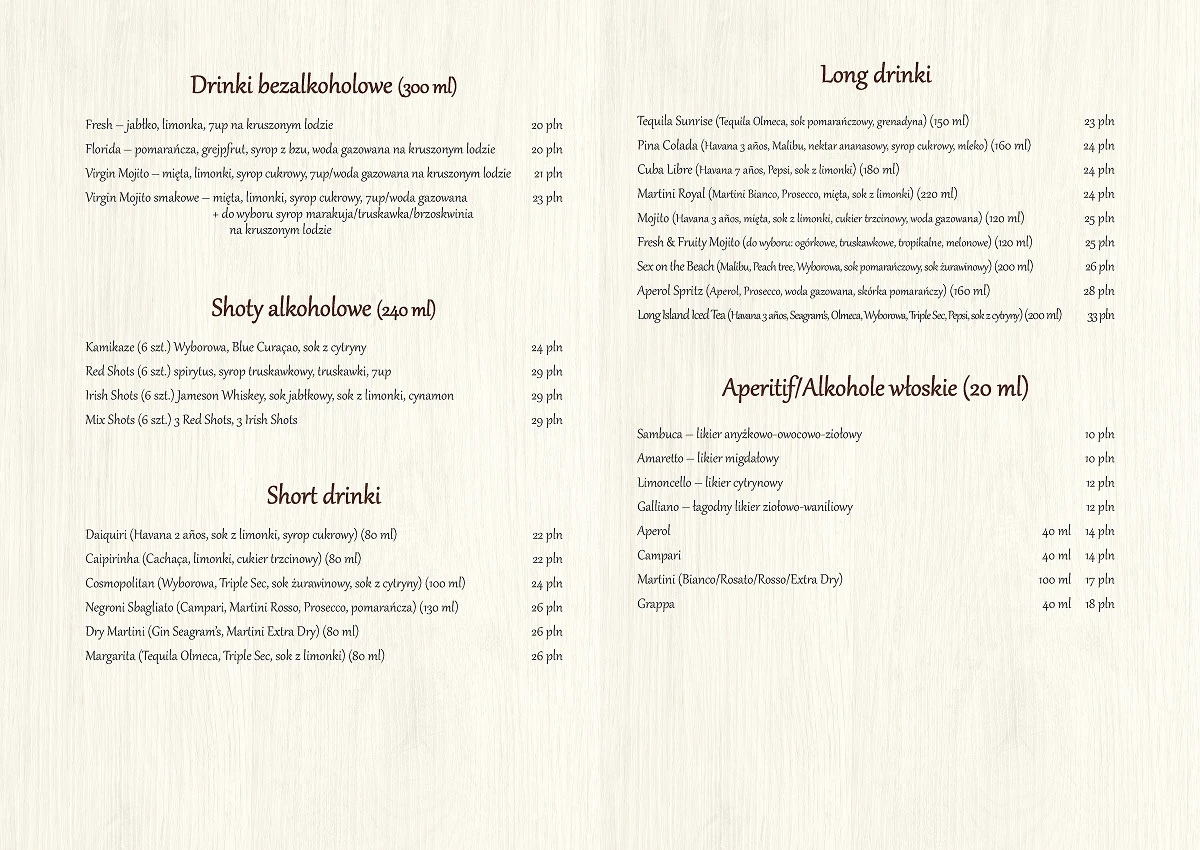
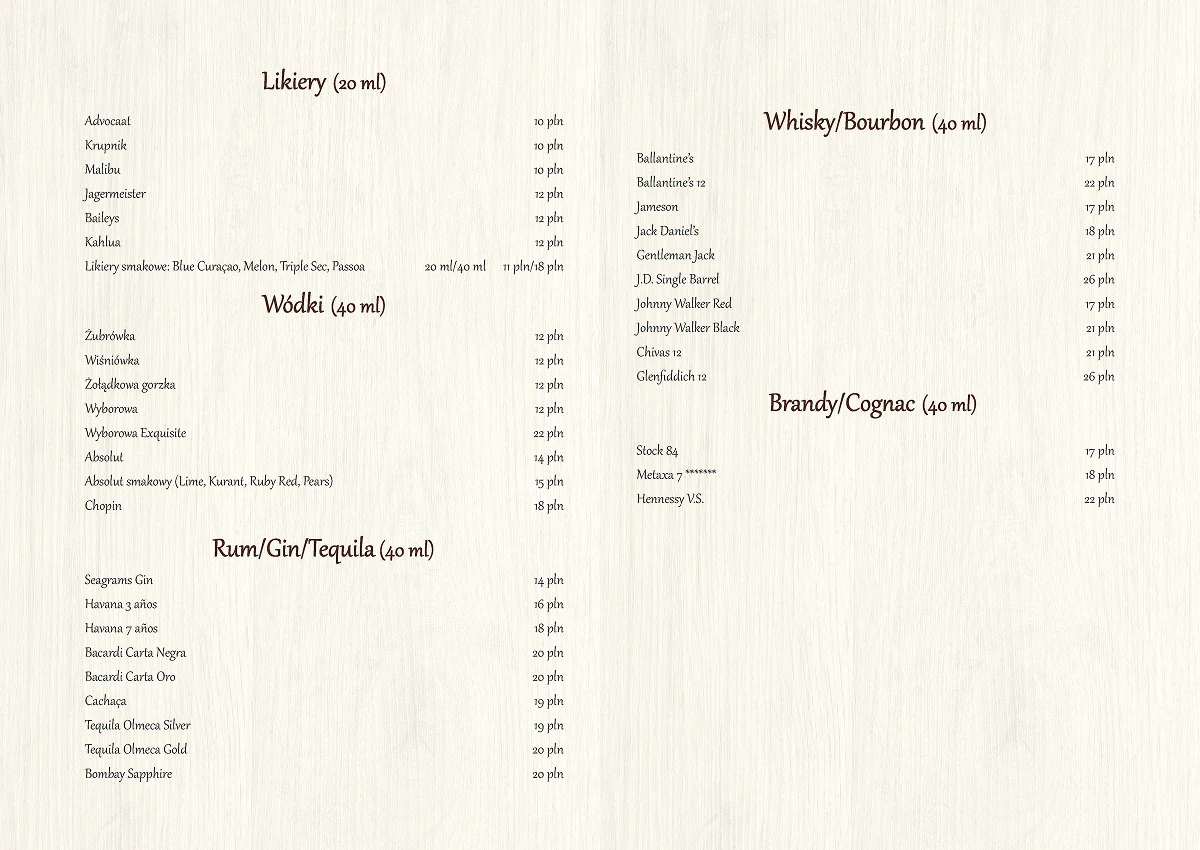
Wine & Cocktail Menu
a menu full of taste and style — blending the world of wines, cocktails, and aperitifs
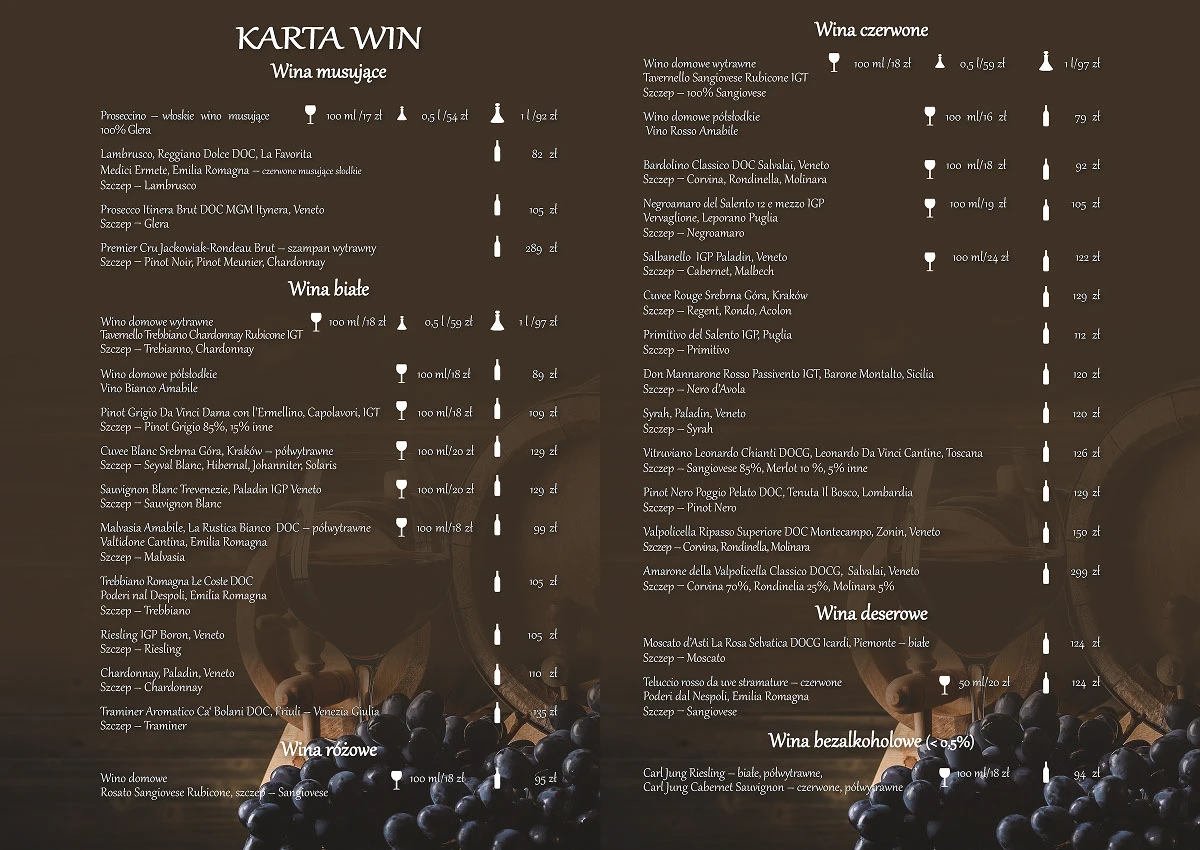
Where fine dining meets refined taste
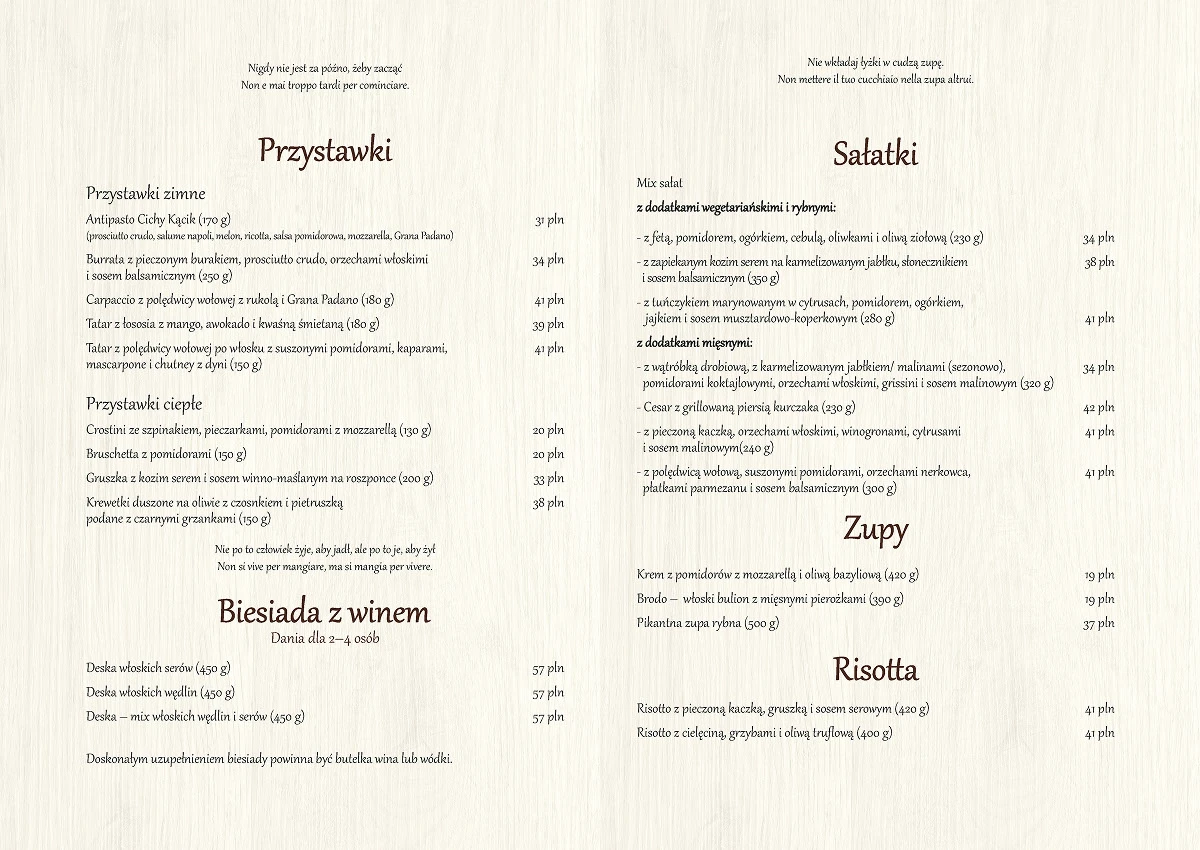
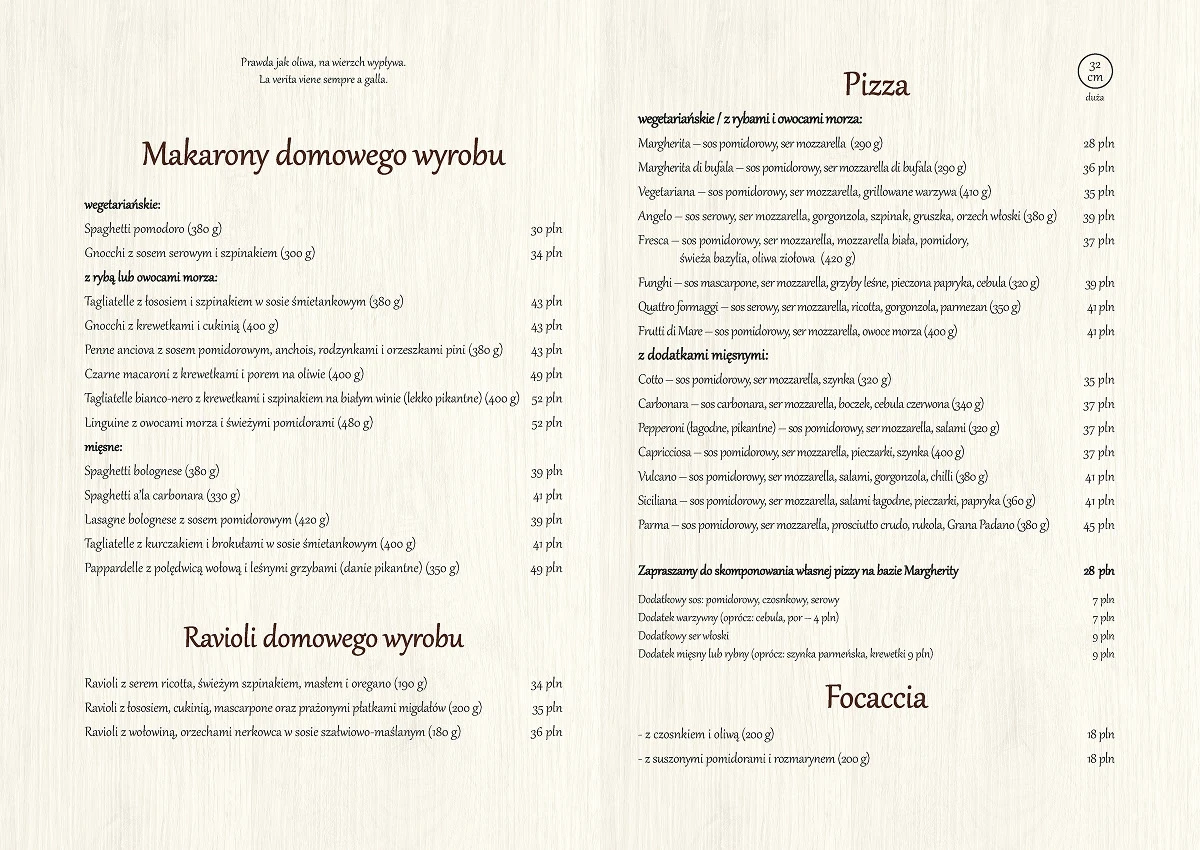
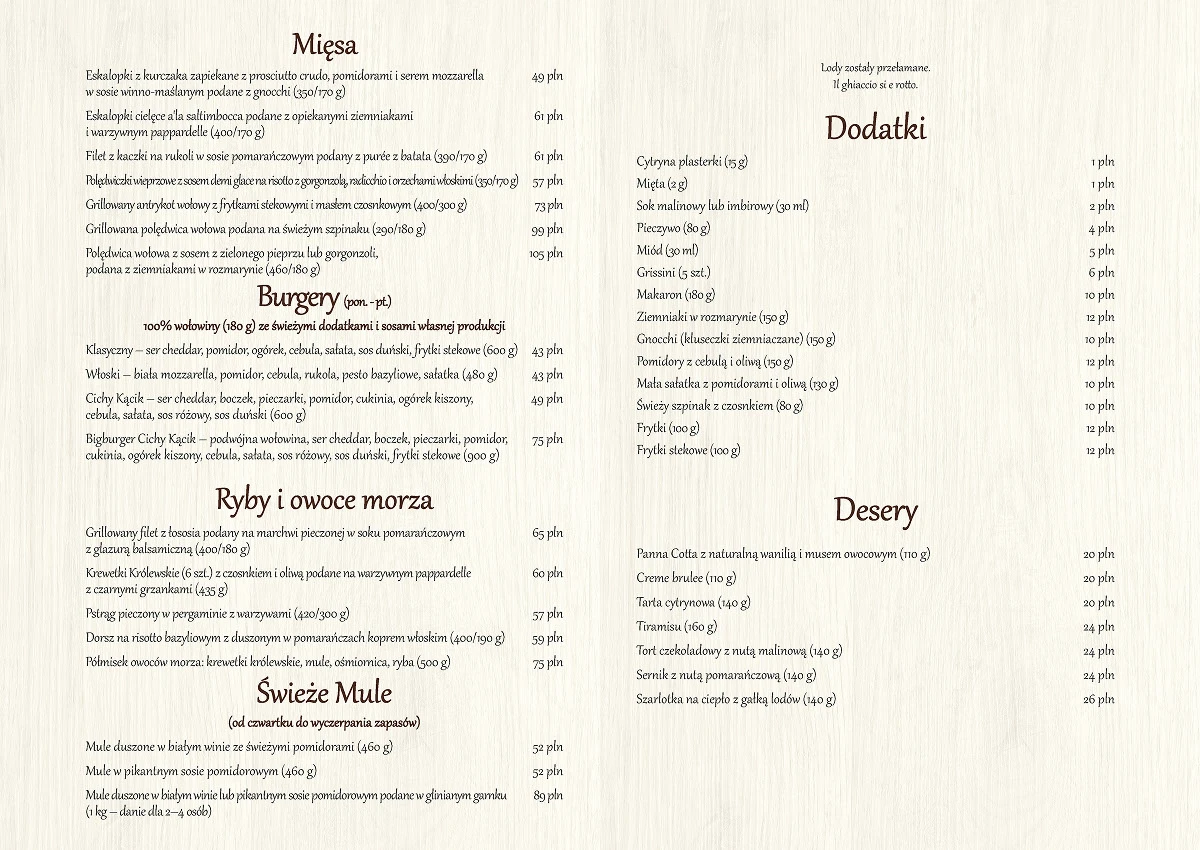
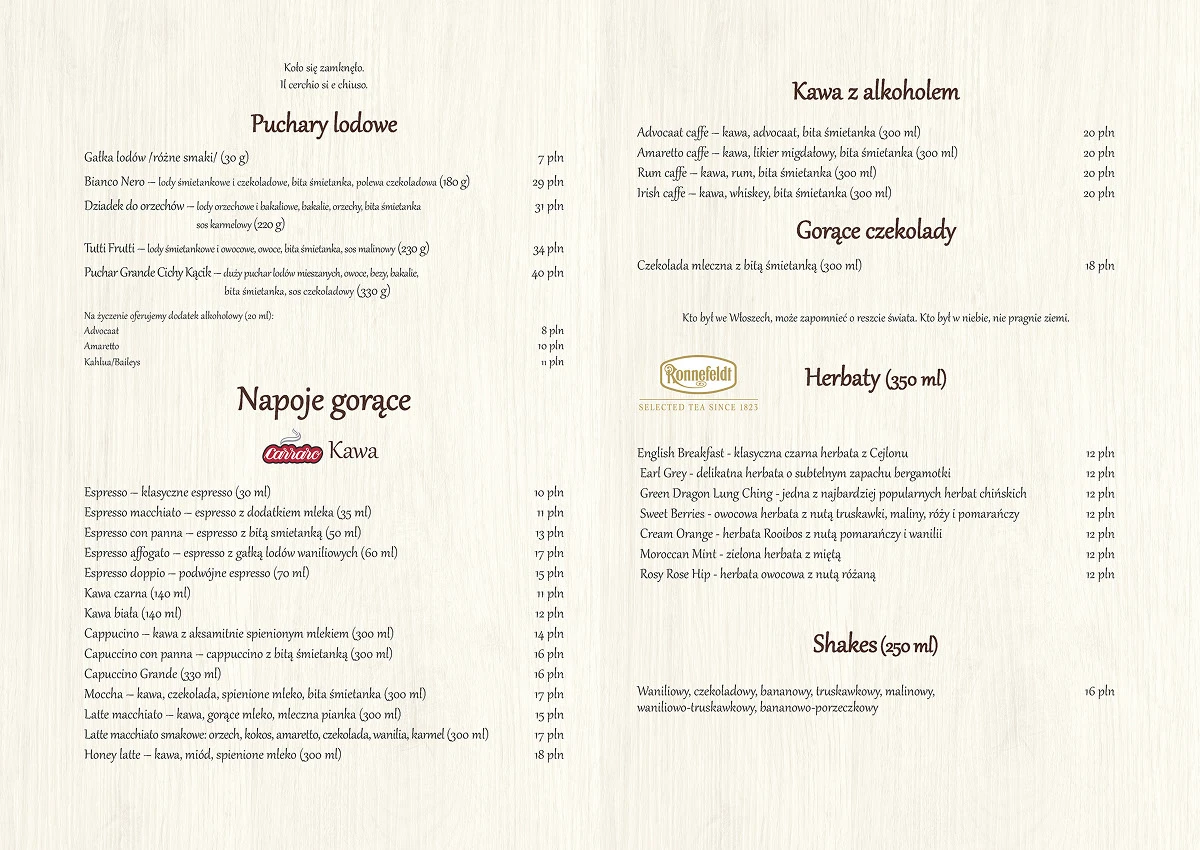
This project involved the complete visual design of a print and digital menu for an upscale restaurant and bar. The menu needed to communicate elegance and warmth while remaining highly functional — guiding guests through an extensive selection of wines, signature cocktails, and classic aperitifs.
The design draws on the rich visual language of wine culture: natural wood textures, deep burgundy and amber tones, and refined serif typography — all balanced with modern layout principles to ensure every item is easy to find and read, even in candlelit dining environments.
Elegant and readable in the dark
Designing a menu that is both elegant and readable in low-light dining environments is a unique design problem. Standard digital contrast ratios don't apply to print, and the aesthetic language of luxury often clashes with clarity. The challenge was to honor the visual culture of fine dining — rich textures, muted gold accents, dense typography — while ensuring every guest can read the menu comfortably, whether they're browsing by candlelight or on a glowing phone screen.
Four phases from concept to print
Research & Mood boarding
Studied visual references from Michelin-starred restaurant menus, wine label design, and luxury print collateral. Defined the target aesthetic — sophisticated but approachable, rooted in natural materials and timeless typography rather than trend-driven minimalism.
Typography System
Selected a pairing of a classic serif face for headings and section titles, contrasted with a refined sans-serif for item names, descriptions, and pricing. Established a strict type scale ensuring consistent hierarchy across all menu spreads, with generous spacing to aid scanning.
Layout & Section Architecture
Organized the drink categories — Wines (red, white, rosé, sparkling), Cocktails (classic, signature, low-alcohol), and Aperitifs — into a clear physical and visual hierarchy. Designed distinct section dividers using ornamental rules and tonal background shifts to aid navigation without disrupting the overall mood.
Print Refinement & Digital Adaptation
Prepared print-ready files in Adobe InDesign with CMYK color profiles calibrated for uncoated luxury paper stock. Simultaneously created a digital PDF version optimized for screen reading, with adjusted contrast and interactive bookmarks for each drink section.
The choices that shaped the final feel
Typography Pairing
A classical serif for section headers and titles establishes gravitas and tradition, while a geometric sans-serif for body text — item names, tasting notes, prices — ensures clean readability at small sizes in low light.
Color Palette
Deep espresso brown backgrounds anchored by warm gold accents (#C9A96E) and soft cream text. A muted burgundy was used as a secondary accent for wine sections, while steel blue introduced a cooler note in cocktail spreads.
Layout Hierarchy
A strict four-level hierarchy — category, subcategory, item name, description — guided all layout decisions. Generous leading and negative space prevent visual fatigue on dense pages, while subtle indentation signals each hierarchy level without needing extra graphic elements.
Section Organization
Each drink category opens with a full-bleed textured spread featuring a hand-drawn botanical illustration — a vine for wines, citrus blossom for cocktails, bitter herbs for aperitifs — giving each section its own identity while maintaining visual cohesion across the menu as a whole.